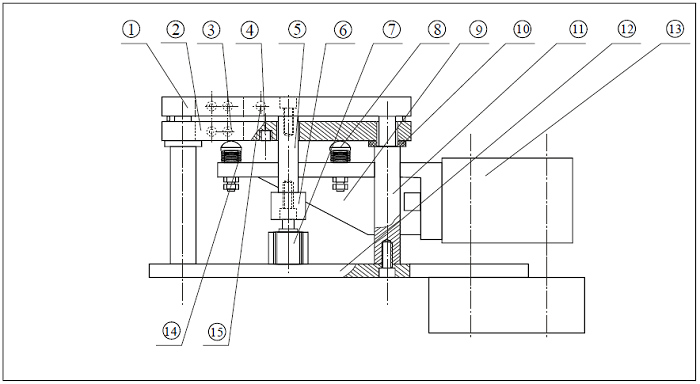
Technical Guide: Thermoforming Heating Mechanism for the DPP260 Blister Machine
04/01/2017
The heating station is a critical sub-assembly in the blister packaging process, engineered to thermally plasticize the forming web (such as PVC) before it enters the adjacent forming station, where positive compressed air molds the blister cavities.
Operating Principles & Configuration:
1. Parameter Configuration: Operators utilize the HMI (Human-Machine Interface) touchscreen to precisely configure the target heating temperature and the pneumatic blowing duration for the forming process.
2. Temperature Variables: The optimal operating temperature fluctuates based on the forming material’s composition, its gauge (thickness), and the specific geometry (draw depth and cavity size) of the blister format. For standard 0.25 mm thick PVC, the heating plates are typically calibrated between 105°C and 110°C.
3. Kinematic Operation: During the machine’s intermittent operation cycle, the lower heating platen actuates vertically, creating a synchronized open-and-close motion between the upper and lower plates.
-
- Closed Phase (Tooling Phase): The heated platens clamp the web, transferring thermal energy to soften the PVC.
-
- Open Phase (Indexing Phase): The platens separate, allowing the servo-driven traction mechanism to index the heated web forward into the forming station without surface friction or scratching.
DPP Series Heating Mechanism Schematic