
Industry 4.0 and the Evolution of Smart Blister Packaging Machinery
11/17/2019
In today’s highly competitive pharmaceutical manufacturing landscape, automation is no longer a futuristic concept—it is a fundamental requirement. Global pharmaceutical manufacturers are increasingly demanding seamless system integration, programmable control, and intelligent data management. To meet these rigorous standards, modern packaging equipment has rapidly evolved into its fourth generation.
From Mechanical to Smart Automation: The 4 Generations
The journey of pharmaceutical packaging machinery can be divided into four distinct technological phases:
- First Generation: Purely mechanical automation, relying on main motors, gearboxes, and chains for power transmission.
- Second Generation: The introduction of basic mechanical automation combined with early-stage servo motion control.
- Third Generation: Electronic servo control dominance, featuring synchronized multi-axis motion, variable-speed flexibility, and high precision.
- Fourth Generation (Industry 4.0): The current era. Equipment now features standard hardware/software architecture with extensive scalability. This allows full integration with Manufacturing Execution Systems (MES) and ERP platforms, offering distributed intelligent control, remote diagnostics, and unmatched productivity.
Aligning with American and German engineering standards, the focus of the global packaging industry has shifted toward high-efficiency, energy conservation, diversified applications, and advanced computer simulation designs.
How JORNEN Adapts to the Smart Manufacturing Era
As a leading innovator, JORNEN has integrated these global standards into its advanced blister packaging machines. Here is how our equipment leads the intelligent evolution:
1. Advanced Servo-Driven Precision
Traditional cam-based indexing mechanisms (as seen in older generations) often resulted in slower conveying speeds and cumbersome mechanical adjustments, failing to meet agile production needs. Today, JORNEN’s modern blister machines utilize state-of-the-art servo indexing mechanisms. This transition guarantees rapid running speeds, pinpoint positioning, and flexible adjustment of feeding lengths, ensuring stability even during high-capacity runs.
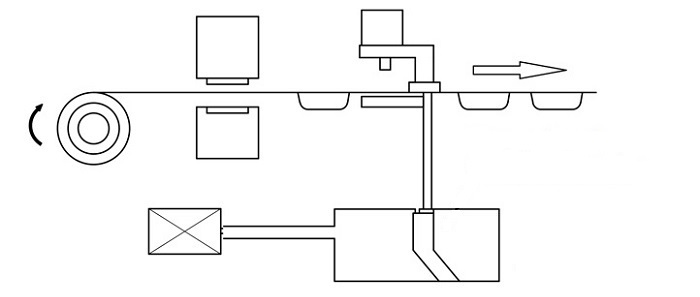
Traditional cam-driven indexing mechanism in older-generation blister packaging machines 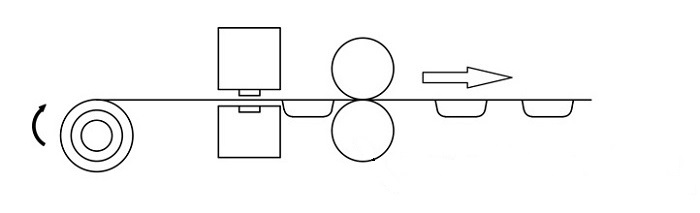
Advanced servo-driven indexing mechanism in modern blister packaging machines
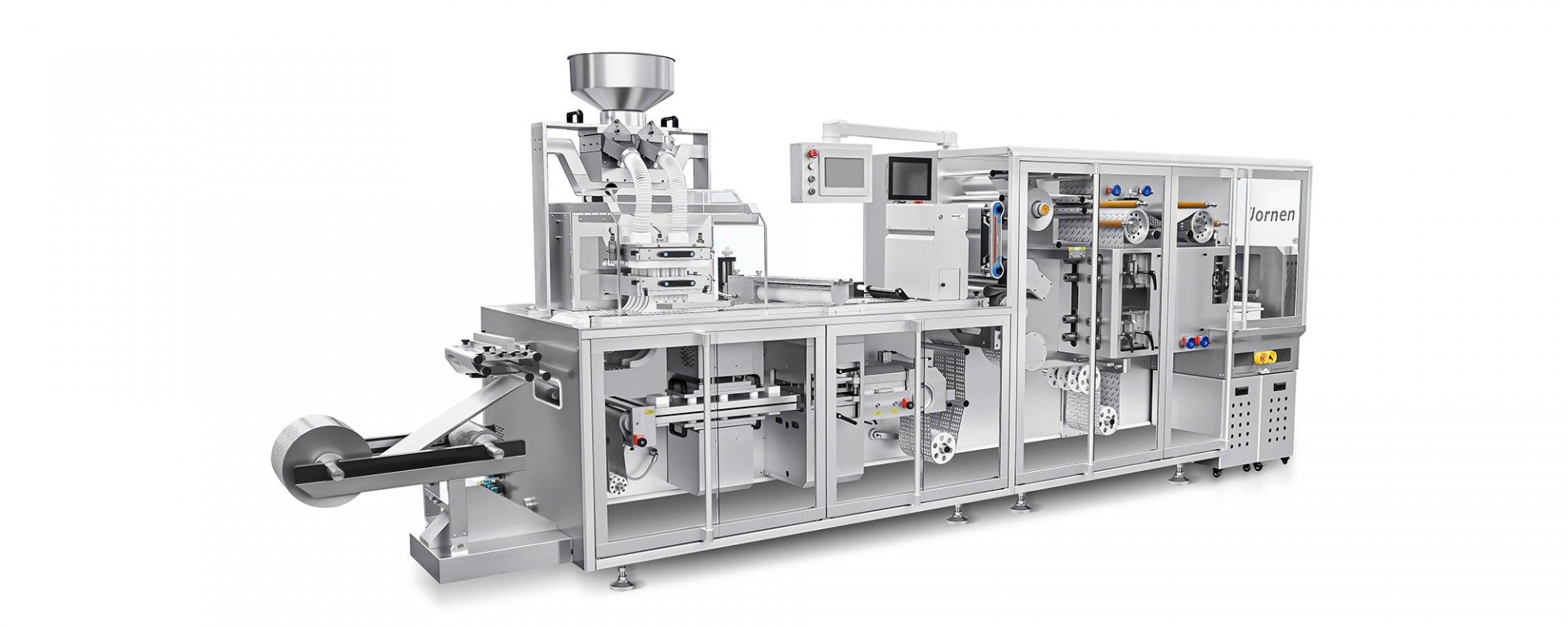
For ultimate efficiency, our equipment can be fully integrated. The blister machine and continuous motion cartoning machine can act as a single, fully servo-driven blister line, maximizing productivity while enabling comprehensive traceability across the drug supply chain.
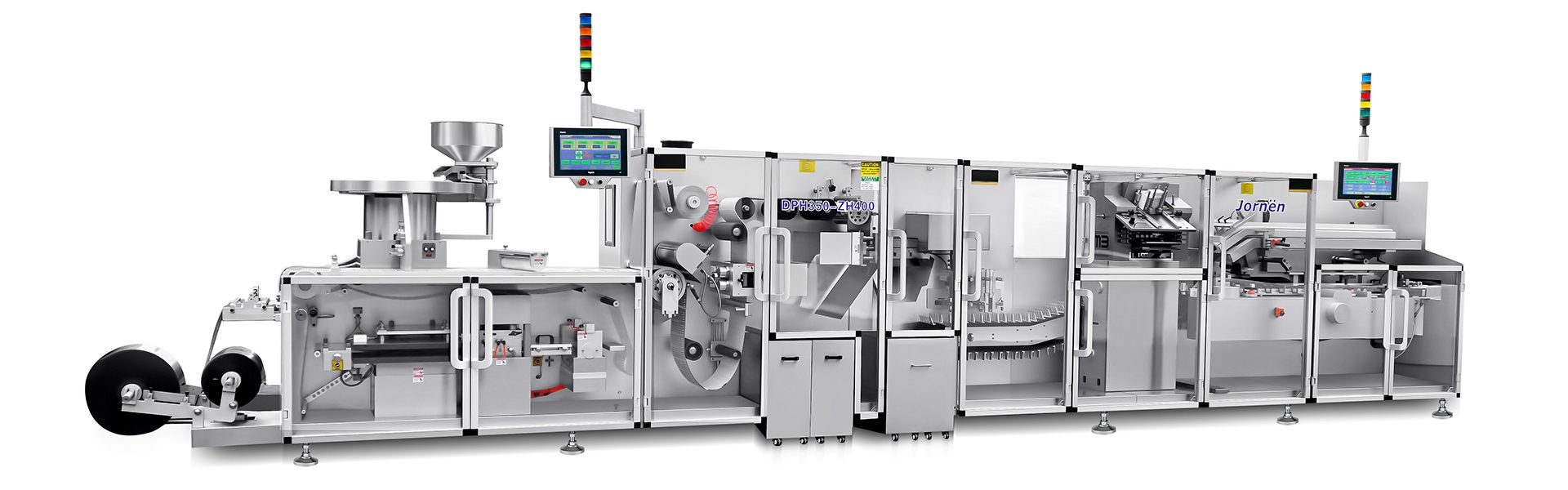
JORNEN high-speed integrated blister packaging and cartoning line 
Uhlmann Blister Express Center (BEC) 300
2. High-Speed Production and Tool-less Changeover
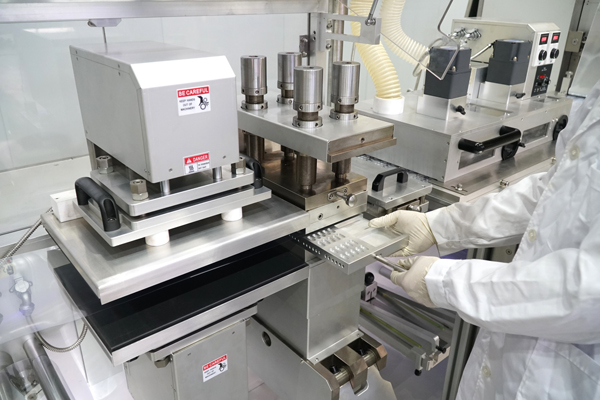
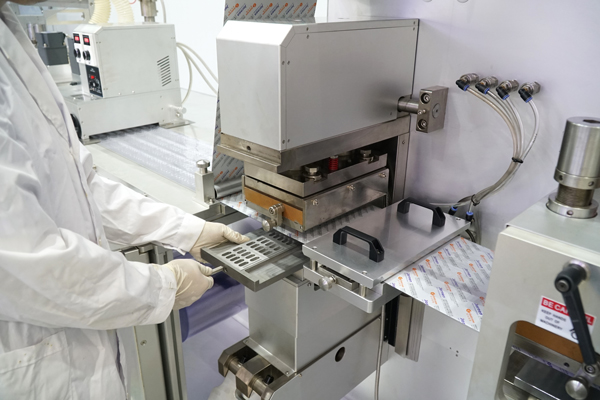
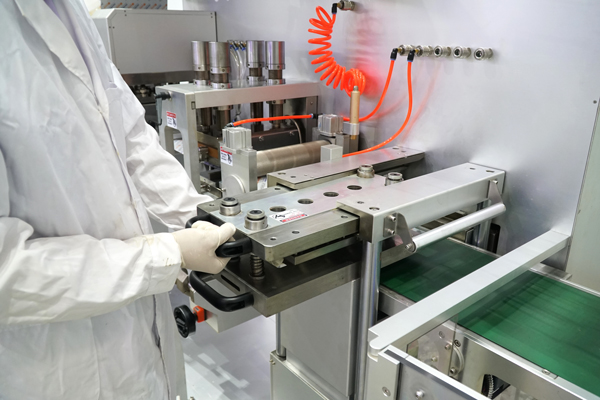
To reduce operational costs, pharmaceutical plants must minimize auxiliary downtime. JORNEN tackles this by implementing rapid, tool-less changeover designs. For instance, models like the BMP270 Blister Machine feature pneumatic positioning and quick mould locking, allowing operators to achieve a “plug and play” changeover experience effortlessly.
Combined with an industrial computer management system, original production parameters can be reset automatically. For high-demand scenarios, our high-speed BMR270 blister machines can achieve an astonishing output of up to 600 blisters per minute, bridging seamlessly with cartoners to output 300 cartons per minute.
3. Production Diversification and Flexibility
Modern pharmaceutical markets demand multi-variety, small-batch production capabilities. JORNEN blister machines are engineered with modular structures, allowing operators to replace specific modules to accommodate product changes. Whether packaging standard round tablets, dual-convex capsules, or multi-sided pills, the intelligent feeders ensure accurate placement. The flexible structure easily supports both Alu-PVC and Alu-Alu packaging materials.
4. The Future of Intelligent Packaging
Looking ahead, blister equipment is becoming increasingly intelligent. Networked information technologies enable remote maintenance, automatic fault diagnosis, and seamless ERP integration. Beyond speed and automation, JORNEN is also committed to designing machines that prioritize operator safety, minimize energy consumption, and reduce environmental impact, leading the sustainable development of pharmaceutical packaging machinery.