
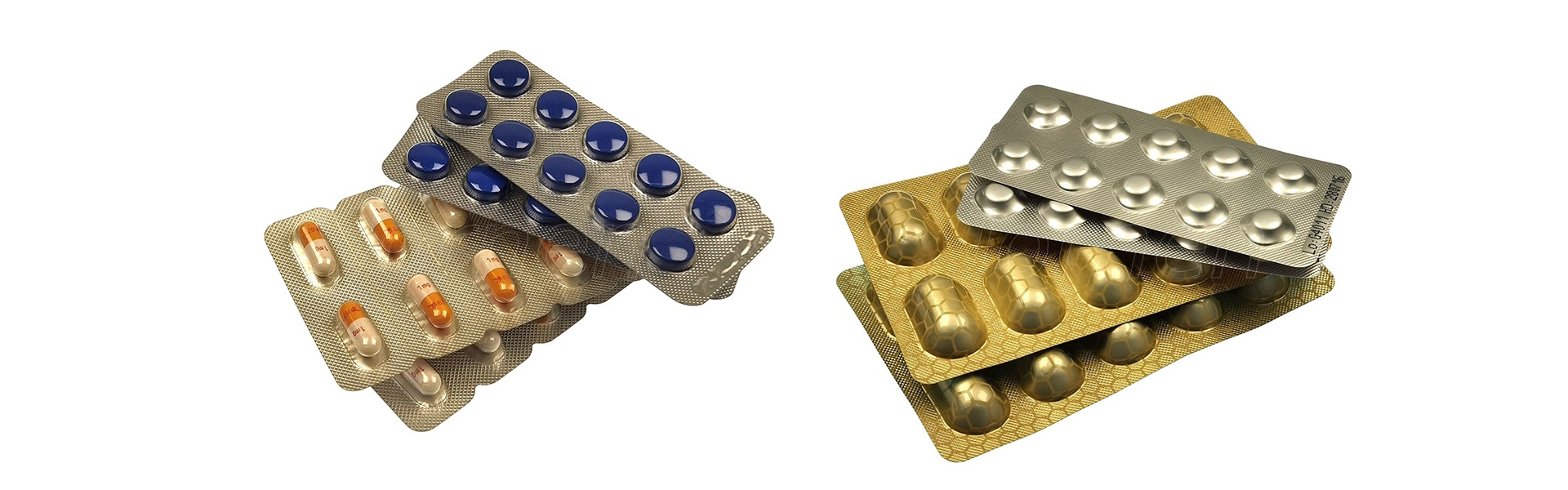
A blister pack is a highly efficient, unit-dose packaging solution widely adopted in the pharmaceutical industry for products such as tablets, capsules, ampoules, vials, and syringes. While also used for consumer goods and cosmetics, its primary value in pharmaceuticals is providing multiple levels of barrier protection based on the drug’s specific characteristics to extend shelf life and ensure reliable tamper-evident security.
A blister pack has two main components: a formed cavity (or pocket) made from thermoformed plastic or cold-formed aluminum film, and a secure lidding material, typically aluminum foil or plastic laminates.
In pharmaceutical applications, these are frequently referred to as push-through packs (PTP). This designation highlights two critical mechanical properties: a flexible, semi-rigid cavity that allows users to easily press the product out, and a specially engineered brittle lidding foil designed to rupture cleanly for effortless dispensing.
What are the advantages of blister packs?
● Superior Product Isolation: Because each dose is individually sealed, removing one tablet does not expose the remaining medication to the environment. Unlike traditional bottle packaging—which subjects all contents to air and moisture every time it is opened—blister packs maintain optimal barrier integrity, making them ideal for sensitive formulations.
● Tamper-Evident Security: Each tablet is securely housed in its own cavity, accessible only by breaking the outer lidding seal. This clear, irreversible visual cue lets consumers and healthcare professionals instantly spot any signs of tampering.
● Effortless Dose Tracking: Unit-dose packaging greatly simplifies medication management. Blister cards can be printed with specific days or dates on the lidding foil, helping patients monitor intake and adhere to prescribed regimens—a significant advantage over bulk bottled medicines.
● Enhanced Patient Compliance: For individuals managing multiple medications, customizable blister cards can combine different drugs into a single, time-specific dose pack. This clear, organized presentation minimizes confusion, aids in accurate drug identification, and drastically reduces the risk of accidental misuse.
● On-the-Go Portability: Blister packs are exceptionally travel-friendly. Patients can conveniently carry the exact amount of medication they need for the day. Additionally, perforated blister cards let users easily and safely detach individual doses by hand, without scissors.
The advantages of blister packs: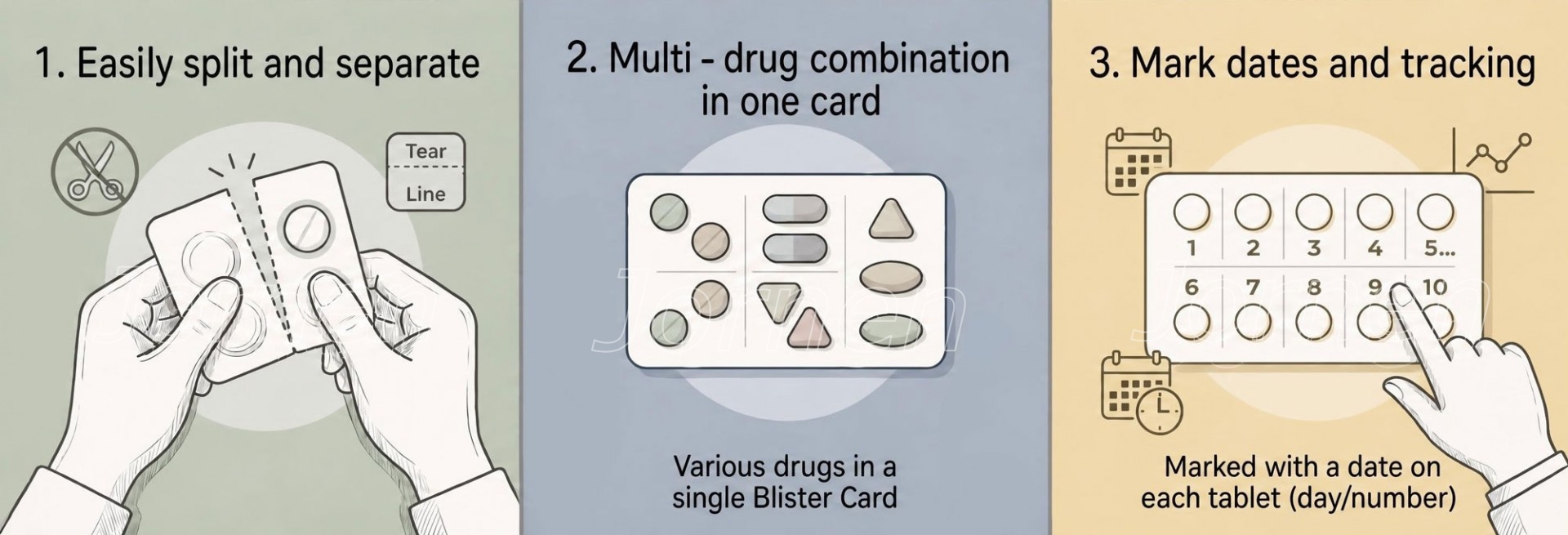
What is a Blister Packaging Machine?
A blister packaging machine is a comprehensive, automated system engineered to execute the complete unit-dose packaging process. The equipment integrates a series of precisely coordinated stations to perform forming, product feeding, sealing, embossing, perforation, and punching.
Based on their core sealing mechanisms and kinematic principles, these machines fall into two main designs: platen-type (intermittent-motion) and rotary-type (continuous-motion).
Platen-type Blister Packaging Machine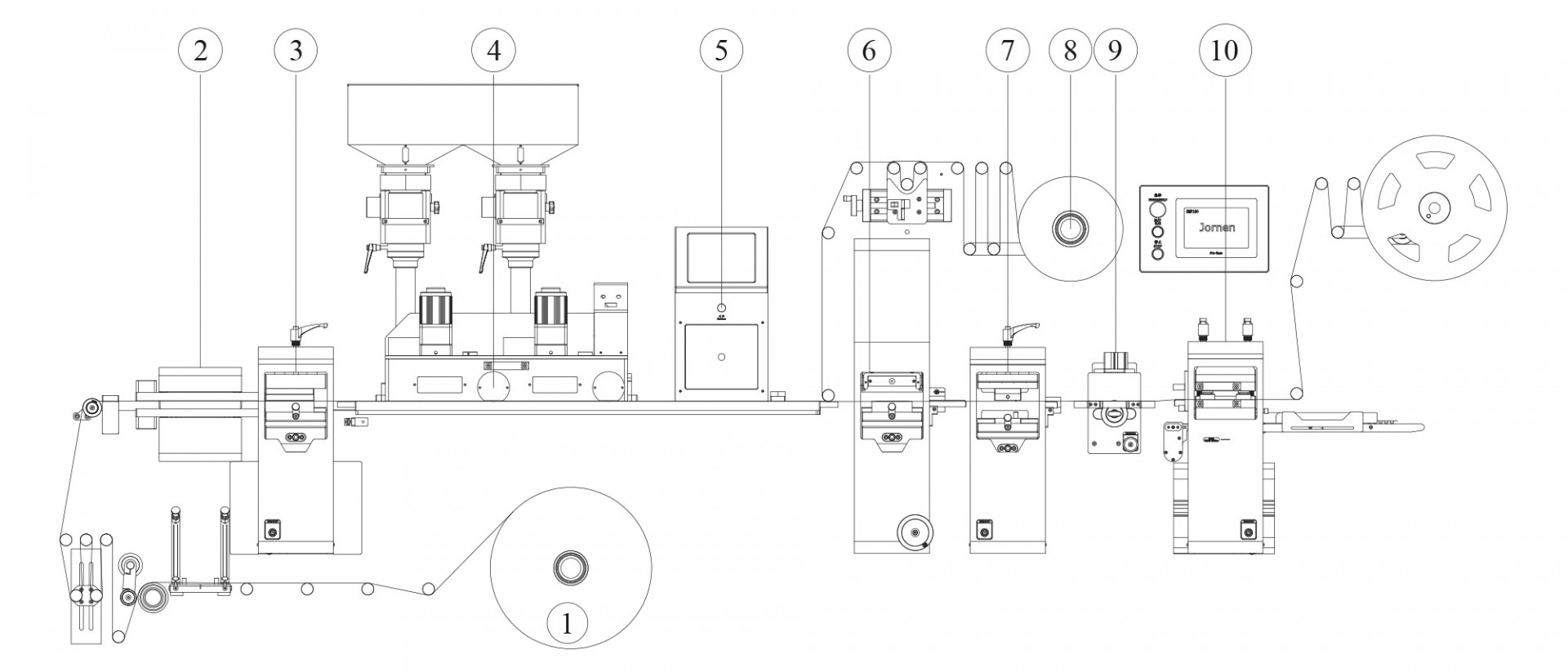
1. Forming material; 2. Heating; 3. Forming; 4. Feeding; 5. Inspection; 6. Sealing; 7. Embossing; 8. Lidding material; 9. Index; 10. Punching
Balcony vs. Traditional Layouts 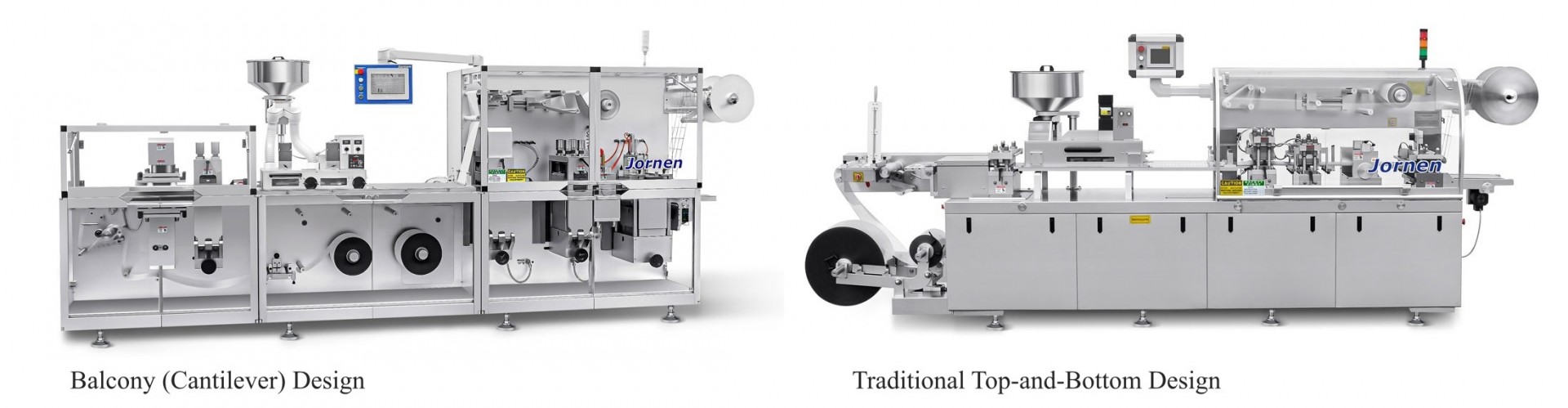
Based on their structural design, platen-type machines can be categorized by their fundamental structural layout—a critical factor that directly impacts GMP compliance, maintenance, and facility footprint.
● Balcony-Style (Cantilever) Design:
Representing the modern standard for high-end pharmaceutical equipment, this design features a robust cantilever layout with a strict vertical partition. This architecture physically separates the machine into two distinct environments: all operational stations are cantilevered from the front of the partition, while the mechanical drive system is enclosed behind it. This strict front-to-back segregation drastically minimizes the risk of cross-contamination, ensuring that mechanical lubricants are safely kept away from the product, and pharmaceutical dust is blocked from entering the drive mechanisms. Furthermore, the open, cantilevered operating zone makes pharmaceutically compliant cleaning highly efficient and straightforward (with minimal dead corners), strongly aligning with strict cGMP principles.
● Traditional Top-and-Bottom Design:
In this classic configuration, the machine frame is divided vertically: the working stations are situated on top, while the mechanical drive components are housed in the cabinet below. Although physical isolation measures are implemented between the tiers, operators frequently need to adjust the horizontal positions of various stations to accommodate different product formats. These adjustments inevitably create gaps in the isolation barrier, presenting an opportunity for pharmaceutical dust or materials to fall into the lower drive compartment. Once inside, the enclosed space and complex mechanical linkages create numerous “dead corners” that make daily cleaning significantly more challenging. Despite these GMP-related drawbacks, this design remains widely utilized. Its compact overall width is highly advantageous for cleanrooms with restricted floor space, and its relatively affordable capital cost makes it a practical solution for budget-conscious manufacturing operations.
Rotary-type Blister Packaging Machine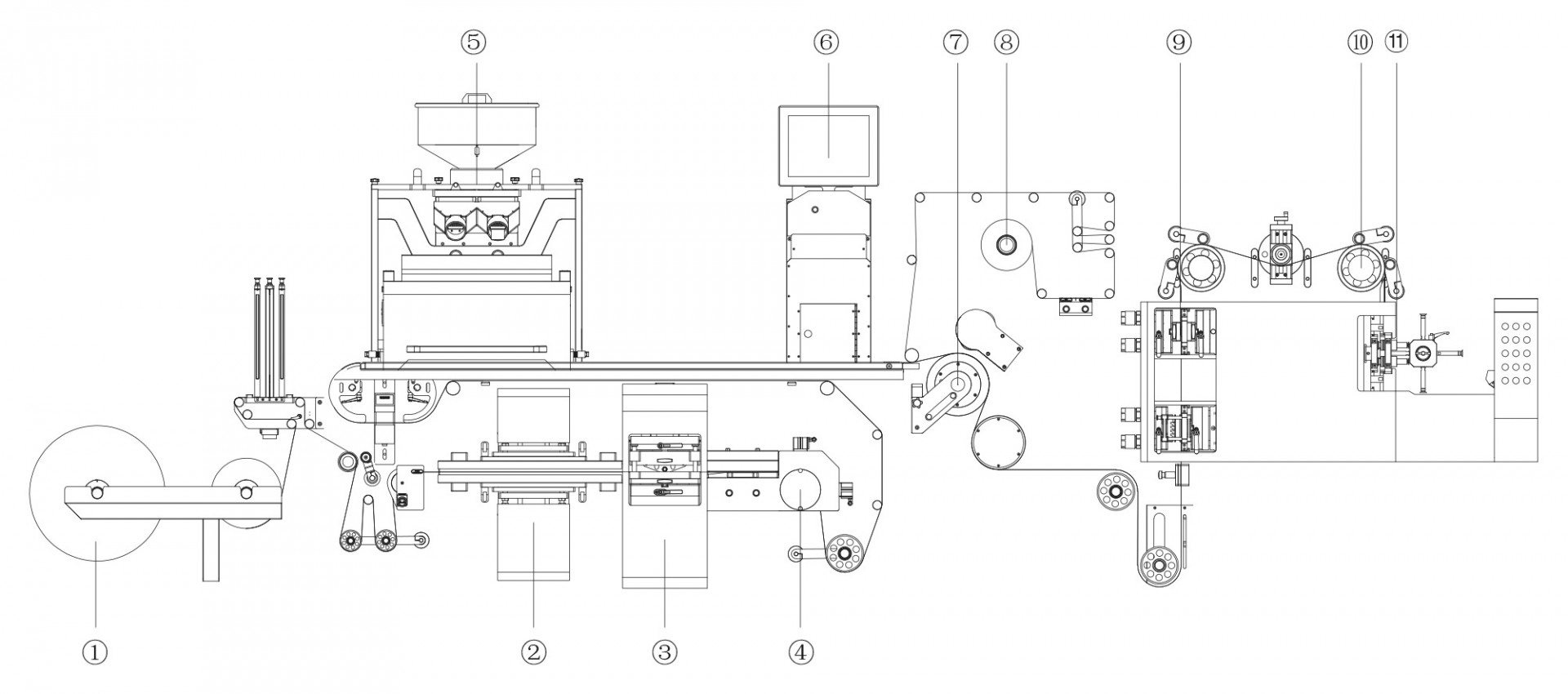
1. Forming material; 2. Heating; 3. Forming; 4. Index; 5. Feeding; 6. Inspection; 7. Sealing; 8. Lidding material; 9. Embossing; 10. Index; 11. Punching
Rotary Machine Drive Systems
As continuous-motion rotary machines are designed for high-speed mass production, their underlying drive technology fundamentally determines their operational flexibility, especially during format changeovers.
● Traditional Mechanical Drive:
These machines rely on a single main motor connected to a complex network of gears, timing belts, and sprockets to drive and synchronize all stations. The inherent limitation of this design becomes apparent during product changeovers, as different stations often need to operate at varying cycle ratios depending on the blister format. For example, a single stroke of the forming station might require the embossing and punching stations to cycle two, three, or even four times. To adjust these mechanical transmission ratios, operators must manually dismantle and replace physical gears or sprockets. While this rigid physical coupling is highly reliable for dedicated, single-product runs, it significantly increases both machine downtime and setup complexity.
● Full-Servo (Multi-Axis) Drive:
Representing the current standard for highly flexible blister packaging, this advanced system replaces complex mechanical linkages with independent, precision-controlled servo motors at each individual station. When a change in operating ratios is required for a new blister format, operators can simply adjust the parameters directly via the PLC touch screen (HMI). This electronic synchronization completely bypasses the need for manual re-gearing, offering remarkably fast and highly convenient format changeovers. Naturally, this superior flexibility and precision require a higher initial capital investment compared to traditional mechanically driven systems.
The Forming Process
1. Thermoforming:
In thermoforming, a plastic film or sheet (most commonly PVC) is heated until pliable, then shaped into blister cavities using compressed air and forming molds. For deep-draw blister cavities, relying solely on compressed air can result in excessively thin walls at the bottom of the pocket. To address this, a mechanical “plug-assist” mechanism pre-stretches the film, ensuring precise, uniform wall-thickness distribution. Additionally, this mechanical assistance allows the forming process to operate at lower temperatures, effectively preventing thermal deformation of the plastic material. Consequently, it is particularly advantageous for processing highly temperature-sensitive forming materials, such as Polypropylene (PP).
Advantages:
● Effortless Inspection: The transparent plastic allows for easy visual inspection—either by camera systems or the naked eye—making it simple to identify and reject faulty blister cards.
● Cost-Effective & Easy to Process: Materials like PVC are inexpensive and highly thermoformable.
● Simplified Feeding: Thermoformed cavities can be designed to hold items snugly, enabling the use of highly versatile, low-cost universal feeders.
Disadvantages:
● Limited Barrier Protection: It offers relatively poor protective properties against moisture and oxygen ingress compared to aluminum, making it less suitable for highly sensitive formulations.
2. Cold Forming (Alu-Alu): In cold forming, an aluminum-based laminate film is mechanically pressed into a mold using a stamp (forming plug), physically elongating the material to create and maintain the cavity shape.
Advantages:
● Ultimate Barrier Protection: Aluminum provides an absolute, near-complete barrier against water, light, and oxygen, significantly extending the product’s shelf life.
Disadvantages:
● Slower Production: The mechanical elongation process inherently results in slower production speeds compared to thermoforming.
● Inspection Challenges: Unlike transparent thermoformed plastics—which utilize simple bottom backlighting to easily silhouette missing or broken doses—opaque aluminum requires top illumination. The vision system must rely on top-down cameras to analyze the product’s contour and surface to detect empty pockets, cracks, chipped edges, or foreign spots. In the past, this opaque nature caused significant difficulties for cold-forming inspection. If the color contrast between the tablet and the silver aluminum background was low, the camera struggled to distinguish outlines, leading to false detections. However, advances in machine vision algorithms and specialized lighting have largely overcome this issue, making Alu-Alu inspection highly reliable today.
● Higher Material & Footprint Costs: Aluminum cannot be formed with sharp, near-90-degree draft angles, which results in a larger overall blister card size. Combined with the higher intrinsic cost of the aluminum film itself, overall material expenses increase.
● Complex Feeding Requirements: Because cold-formed cavities must be larger than the packaged items, dedicated feeding systems are mandatory. This adds to both the capital equipment cost and operational difficulty. Consequently, this often forces the machine to operate at reduced speeds, directly impacting overall production output.
Thermoforming and Cold Forming
Blister Feeding Systems
Selecting the appropriate feeding mechanism is critical. To maximize both production efficiency and overall cost-effectiveness, the feeder must be optimally matched to the specific characteristics of the solid dose.
1. The Universal Feeder: This highly versatile feeder handles a wide array of products, including round tablets, capsules, and various irregularly shaped tablets (such as oval, capsule-shaped, and tuses a hopper, a vibratory conveyor, rotary brushes, and planetary agitators to gently sweep ators that gently sweep the products into the formed blister pockets.
The final rotary brush features denser bristles to guarantee that only correctly positioned tablets exit the feeding zone. Equipped with level-monitoring sensors and easy-to-replace brushes for quick cleaning, a major advantage of this feeder is that it requires no format parts for different product changeovers.
2. The Vibratory Feeder: Specifically engineered for continuous-motion blister packaging, this feeder efficiently handles capsules and various tablet geometries (flat, oblong, and oval). The system consists of a supply hopper, a linear vibratory conveyor, a disk vibratory conveyor, and a grooved feeding plate.
The linear vibrator smoothly transfers tablets from the supply hopper to the disk vibratory conveyor. Within the disk conveyor, the tablets travel in a continuous circular motion, naturally aligning themselves into integrated guiding tracks. These tracks direct the products to drop precisely into the grooved feeding plate. Eventually, as the formed web moves continuously beneath the plate, the tablets are drawn out from the bottom of the grooves and settle accurately into the passing blister pockets.
3. The OmniDrop™ Feeder: This advanced system offers high-precision feeding and is adaptable for both intermittent and continuous-motion machines. For intermittent machines, it fills an entire index simultaneously while the web remains stationary. For continuous-motion equipment, the feeder runs reciprocally along a rail, synchronizing with the moving web to achieve full-index filling.
The feeding sequence utilizes a multi-tiered tray architecture:
● Upper Tray: This tray acts as the primary product reservoir. Multiple stationary delivery tubes penetrate the tray vertically, with their top openings positioned slightly above the tray floor. During operation, the tray performs a high-frequency up-and-down (reciprocating) motion. As the tray rises, it lifts the product bed above the stationary tube tops, allowing capsules or tablets to fall smoothly into the tubes. Additionally, an integrated pneumatic vibrator induces the capsules or tablets to move in a continuous circular motion within the tray. This active circulation maximizes the probability of the product entering the tubes. The tray also has an automatic level sensor that triggers the linear vibrator to supply more product when levels run low.
● Middle Tray: Acts as a precise control mechanism, ensuring only a single capsule or tablet passes to the lower tray at a time to prevent double-feeding.
● Lower Tray: Each tube in the lower tray aligns perfectly with a blister pocket. The product is discharged directly into the pocket precisely when the web halts (or synchronously as it moves).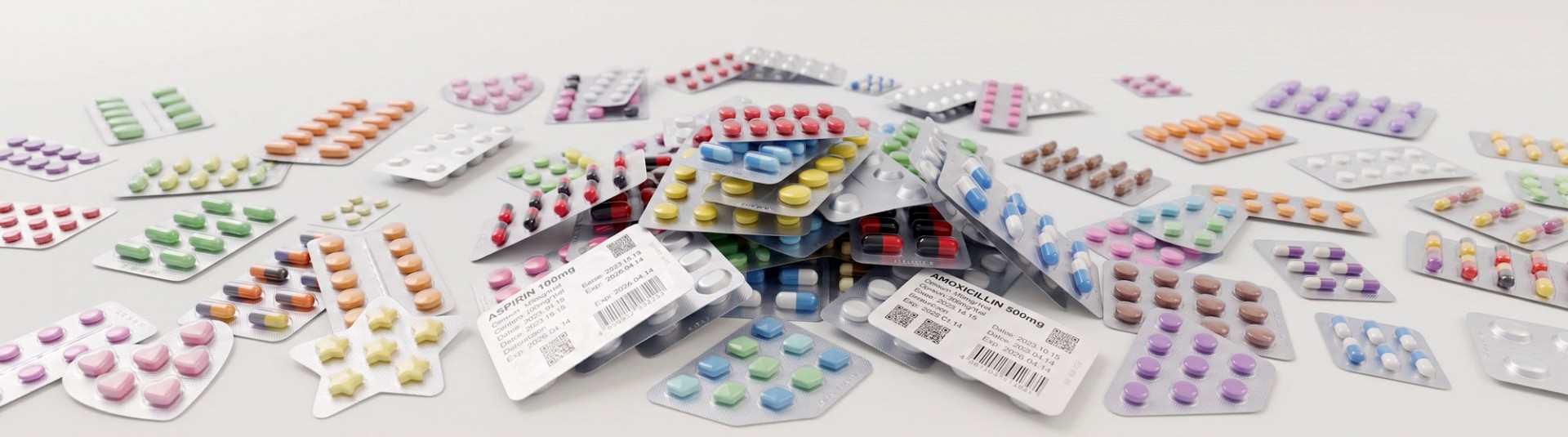
4. Capsule Orienting & Feeding Device: In solid-dose pharmaceutical packaging, specific applications require capsules to be uniformly oriented within the blister card. This precision feature serves as a crucial anti-counterfeiting measure and significantly enhances the product’s overall aesthetic and brand consistency.
The orienting mechanism is designed to take capsules that are lying randomly in the supply hopper and automatically rectify them, aligning them all in the same direction: the cap-up position (referred to as orientation). Once oriented, the feeding device gently deposits the capsules into the blister cavities in a strictly controlled manner, ensuring perfect directional placement across the entire web.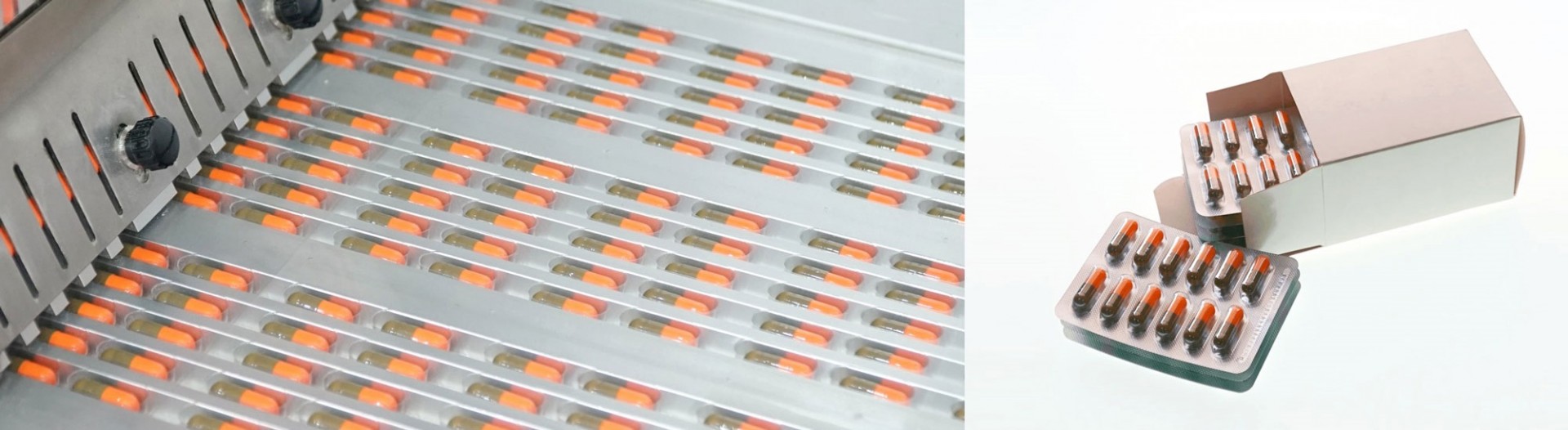 Capsule orienting & feeding device
5. Parenteral Product Feeder (Vials & Ampoules):
Handling fragile liquid containers requires extreme precision. This specialized feeder advances vials and ampoules using a synchronized combination of motor-driven rakes and a high-precision servo-driven roller.
The process begins with an infeed conveyor that smoothly transports the upright containers. A motor-driven rake then channels them into designated feeding chutes, aligning them into single-file lanes before they enter the slots of a receiving roller. Next, this servo-driven roller rotates exactly 90 degrees, carefully transitioning the vials and ampoules into a horizontal orientation. A robotic vacuum pick-and-place arm then securely grips the containers and gently deposits them into the formed web. To prevent glass breakage and ensure absolute stability during downstream transit, the blister cavities are engineered with a tailored “clamp-pack” design that firmly snaps and secures the containers in place.
6. Syringe Blister Feeder: Syringes—particularly pre-filled syringes (PFS) designed for rapid emergency use—require highly specialized and gentle handling.
The working principle of the syringe feeding system features:
● Automated Sorting & Alignment: The system is equipped with a bulk supply hopper (a rectangular container) featuring an integrated mechanical orienting mechanism. Operators simply load syringes randomly into the hopper. The internal mechanical system automatically sorts, aligns, and dispenses the syringes in orderly rows toward the blister machine.
● Precision Conveying & Robotic Loading: Upon reaching the machine, the syringes are smoothly distributed onto a synchronized conveyor belt with precise, equidistant spacing. A robotic pick-and-place mechanism then grips the syringes in batches and accurately transfers them into the formed blister cavities.
● Unique Clamp-Pack Security: To guarantee absolute stability, the system incorporates a unique clamp-pack design: a dedicated press-in station gently pushes the syringes into the pockets to ensure they are firmly clamped, preventing products from falling out and protecting them from significant impacts.
In many clinical applications, non-pre-filled (empty) syringes are often packaged with vials and ampoules in a single, comprehensive medical kit. To produce these complex combination packs, the blister machine can be custom-engineered to integrate both the vial/ampoule feeder and the syringe feeder simultaneously.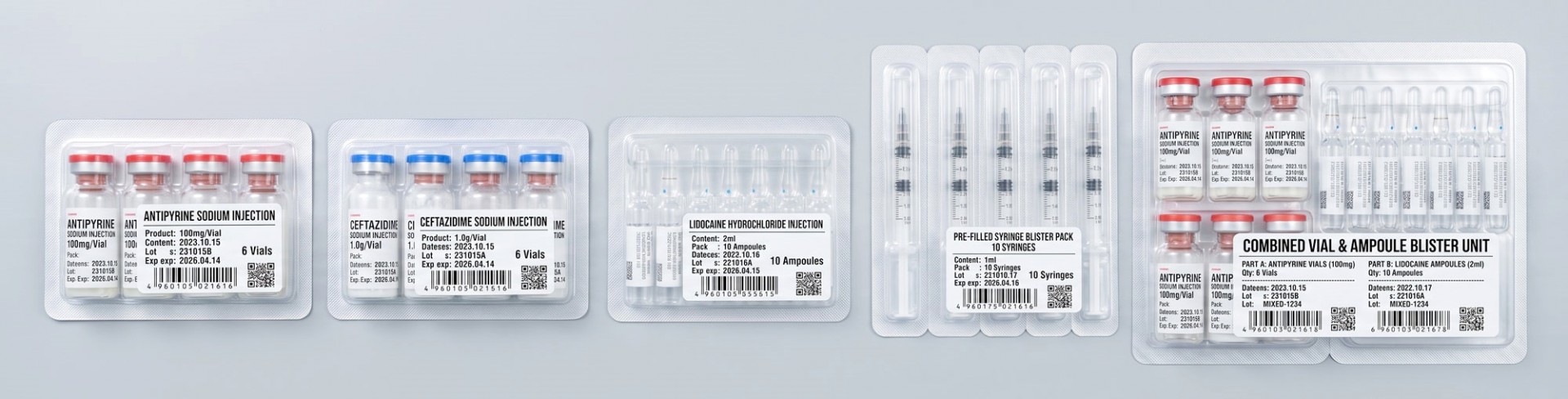
(Note: Beyond the standard configurations listed above, fully bespoke feeding systems can be custom-engineered to accommodate highly unique product characteristics and specific production requirements.)
Blister Inspection Systems
Stringent quality control is paramount in the pharmaceutical industry, as improperly packaged products can compromise drug safety and trigger costly product recalls. To ensure flawless quality on every blister card, advanced machine vision systems (camera inspections) are seamlessly integrated into the packaging line.
To strive for zero-defect production, high-end blister machines are typically equipped with a dual-inspection configuration:
● Pre-Sealing Inspection: Positioned immediately after the feeding station, this first camera system inspects the open cavities to detect missing products (empty pockets), broken or chipped tablets, and deviations in product color or size.
● Post-Sealing / Post-Punching Inspection: Even if the feeding process is perfect, mechanical or alignment defects can still occur during subsequent stations. A second inspection system is employed later in the line to detect sealing wrinkles, unclear sealing grids (knurling patterns), crushed solid doses trapped in the seal, and the presence of any foreign objects. It also verifies the legibility of embossed batch numbers and detects punching misalignment (inaccurate cutting registration).
By identifying and automatically rejecting these faulty blister cards, the inspection system ensures maximum compliance and guarantees that only defect-free products reach the market.
The Sealing Process
Blister sealing—the critical process of bonding the lidding foil to the formed web—is primarily executed using two distinct mechanisms: Platen-style (intermittent motion) and Rotary-style (continuous motion).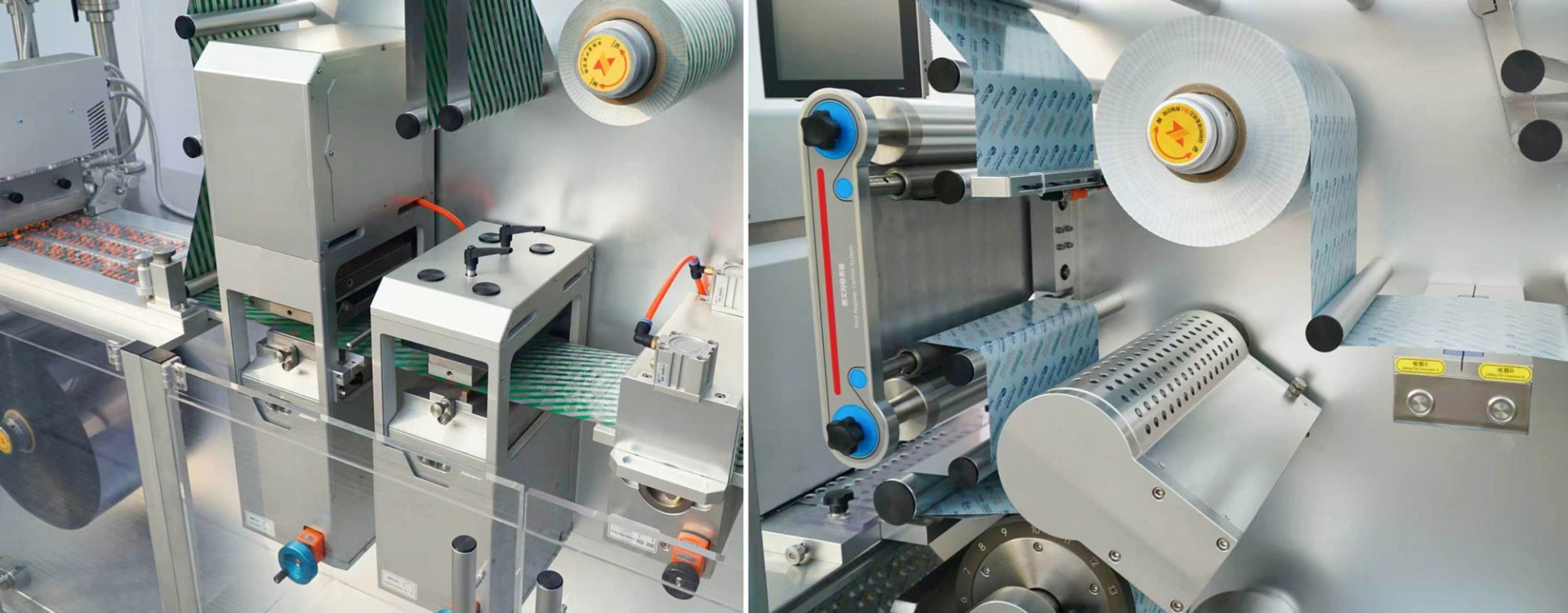
Platen sealing vs. Rotary sealing.
1. Platen Sealing (Intermittent Motion): In the platen style, upper and lower flat sealing molds repeatedly close and separate to seal the blister web intermittently.
Key Advantages & Applications:
● Extended Dwell Time: Provides sufficient sealing time with uniform temperature and pressure across the entire surface area.
● Complex Shape Compatibility: Highly adaptable for handling complex product shapes, as well as larger, deeper blister cavities.
● Unmatched Flexibility: Adjustments and format part changeovers are straightforward and user-friendly, making it the perfect choice for multi-variety, small or medium-batch production.
● Cost-Effective Tooling: The flat sealing molds are easier and less expensive to manufacture.
2. Rotary Sealing (Continuous Motion):
In contrast, the rotary-type utilizes a heated roller pressing against a rotating cylindrical sealing mold, continuously sealing the lidding material to the formed web via linear contact.
Key Advantages & Applications:
● High-Speed Mass Production: By eliminating the start-and-stop indexing required by intermittent systems, this continuous motion allows the blister machine to run at significantly higher speeds.
● Intense Linear Pressure: Achieves higher sealing pressure with smaller applied forces due to the concentrated linear contact area.
● Reduced Wrinkling: The continuous linear rolling action naturally minimizes the risk of sealing wrinkles.
● Considerations:
While inherently faster, the rotary-type system possesses a more complex mechanical structure. In the past, machining complex blister geometries onto a cylindrical mold was difficult. However, modern multi-axis CNC technology has completely resolved this, allowing rotary machines to easily handle various special-shaped tablets (e.g., oval, square).
Its optimal production scenario is high-volume manufacturing with relatively low format changeover frequencies (compared to the platen-type). Nevertheless, the widespread adoption of advanced servo technology has drastically simplified and accelerated modern changeovers.
Today, the true limitations of rotary sealing lie not in product shape, but in blister dimensions:
1. Large-sized pockets: Oversized blisters struggle to conform to the curvature (arc) of the roller during the sealing process.
2. Deep-draw cavities: Excessively deep pockets face mechanical clearance issues—they are difficult to smoothly guide into the rotating mold cavities, and equally difficult to strip (release) after sealing.
The Perforation Process: In this station, precision micro-perforations or tear-notches are applied to the web between individual pockets. This critical feature allows end-users to separate unit-doses by hand without scissors or compromising the seal integrity of the remaining units.
The Embossing (Coding) Process: Traceability is mandatory in pharmaceutical packaging. The embossing station permanently imprints alphanumeric codes—specifically the manufacturing batch number and expiration date—into the sealed web. Depending on the machine configuration and customer requirements, these codes can be cleanly embossed onto the forming material side or directly into the lidding foil.
The web is perforated or notched. Letters and numbers are embossed
The Punching (Die-Cutting) Process: At the final punching station, individual blister cards are cleanly severed from the web by clamping the material between high-precision convex and concave dies. To optimize material consumption, tooling can be designed in two primary punching layouts:
● Aligned Punching: Utilizes a smaller, simpler punching mold. While more cost-effective to manufacture, it typically leaves a trimming waste of approximately 5mm between two blister cards.
● Crossing (Interleaved) Punching: A highly efficient, staggered layout that drastically reduces the cutting waste between blisters to just about 1mm. While this requires a larger and more complex punching mold (nearly twice the size of the aligned type), the long-term material savings for high-volume production are substantial.

Aligned type Crossing type
What is an Alu-PVC-Alu (Tropical) Blister Packaging Machine?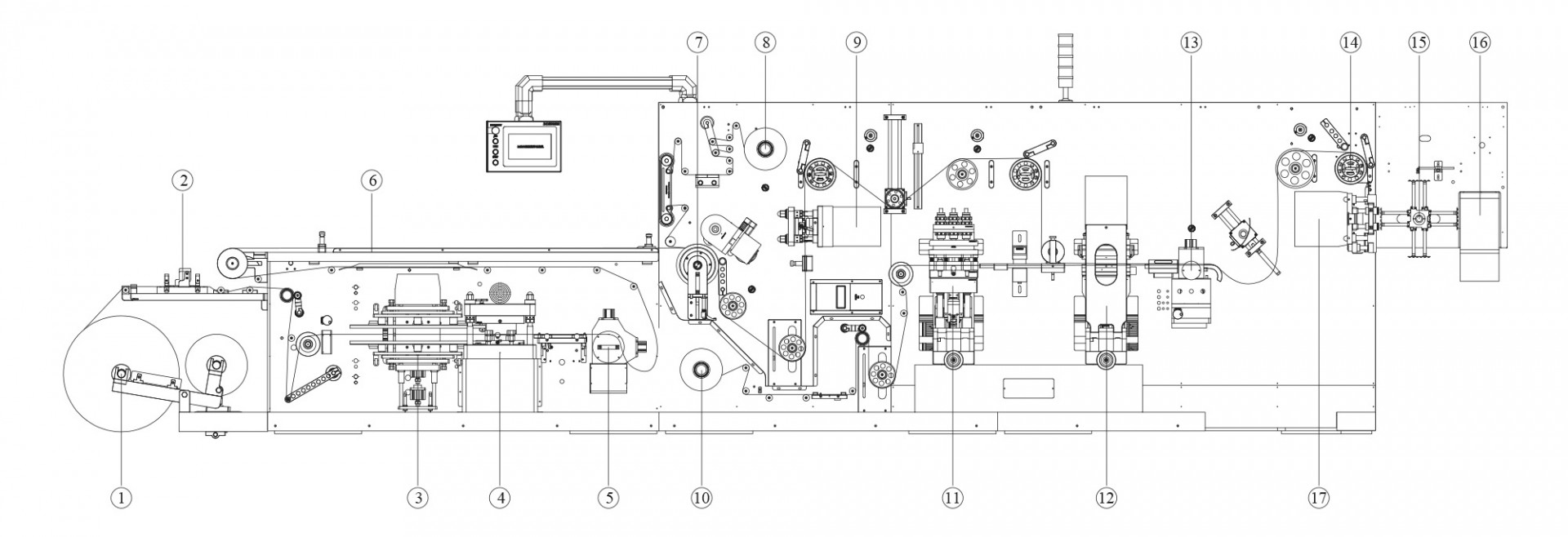
1. Forming material; 2. Material splicer; 3. Heating; 4. Forming; 5. Index; 6. Feeding Area; 7. Sealing; 8. Lidding material; 9. Embossing; 10. Tropical Alu; 11. Tropical Forming; 12. Tropical Sealing; 13.Index; 14. Index; 15. Pick and Place Mechanism; 16. Reject Bin; 17. Punching;
Standard blister packs typically force a compromise. Thermoformed plastic offers visual transparency (which simplifies inspection systems) and allows compact, cost-effective feeding, but it has poor moisture and oxygen barriers. Conversely, cold-formed aluminum provides ultimate protection but introduces distinct operational hurdles: its opaque nature significantly complicates machine vision inspection, and the need for larger blister footprints and complex, dedicated feeding systems dramatically increases overall costs while reducing production speed.
The Alu-PVC-Alu (often referred to as Tropical Blister) packaging machine ingeniously merges the core advantages of both forming technologies. This specialized machine integrates an additional tropical aluminum forming station and a secondary sealing station. It seals a standard thermoformed plastic blister with a protective layer of formed tropical aluminum foil. The result is a highly cost-effective, easy-to-operate package that allows for visual inspection while delivering the same near-absolute barrier protection as cold-forming.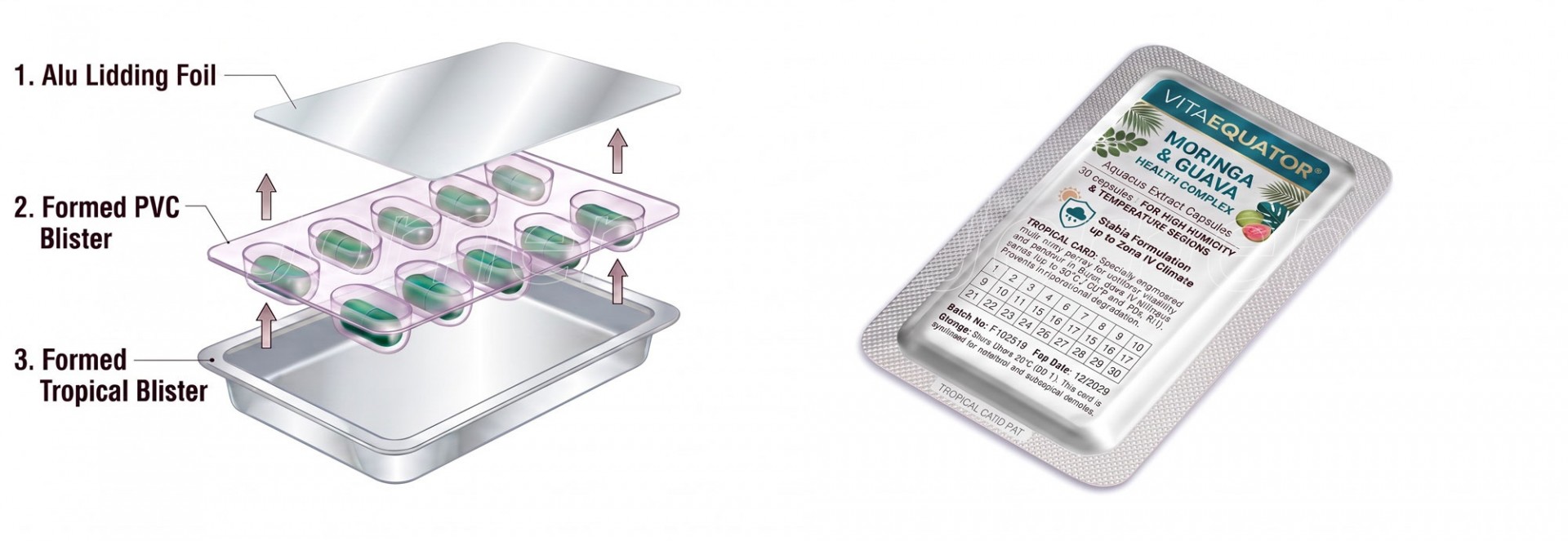
● Facility Considerations:
While highly advantageous, this dual-process capability requires a significantly extended machine footprint. Because the machine must integrate two distinct forming stations (primary thermoforming and secondary tropical aluminum) and two separate sealing stations on a single continuous line, it demands significantly more floor space. In pharmaceutical manufacturing, where ISO-certified cleanroom space is at an absolute premium, this increased machine length directly translates to higher facility overhead costs.
What is a Deblistering Machine (Product Recovery System)?
During any pharmaceutical packaging process, a certain percentage of blister cards will inevitably be rejected due to various packaging quality defects. The Deblistering Machine is a vital cost-saving accessory that safely and automatically extracts valuable tablets and capsules from these rejected packs.
Highly versatile, the system is fully adjustable and requires zero format part changes (tool-less adjustment) for different blister sizes. Advanced models can even separate capsules and seamlessly retrieve the internal powder or granules (applicable for capsule sizes No. 00# to 5#), allowing manufacturers to recycle expensive active pharmaceutical ingredients (APIs) and drastically reduce production waste.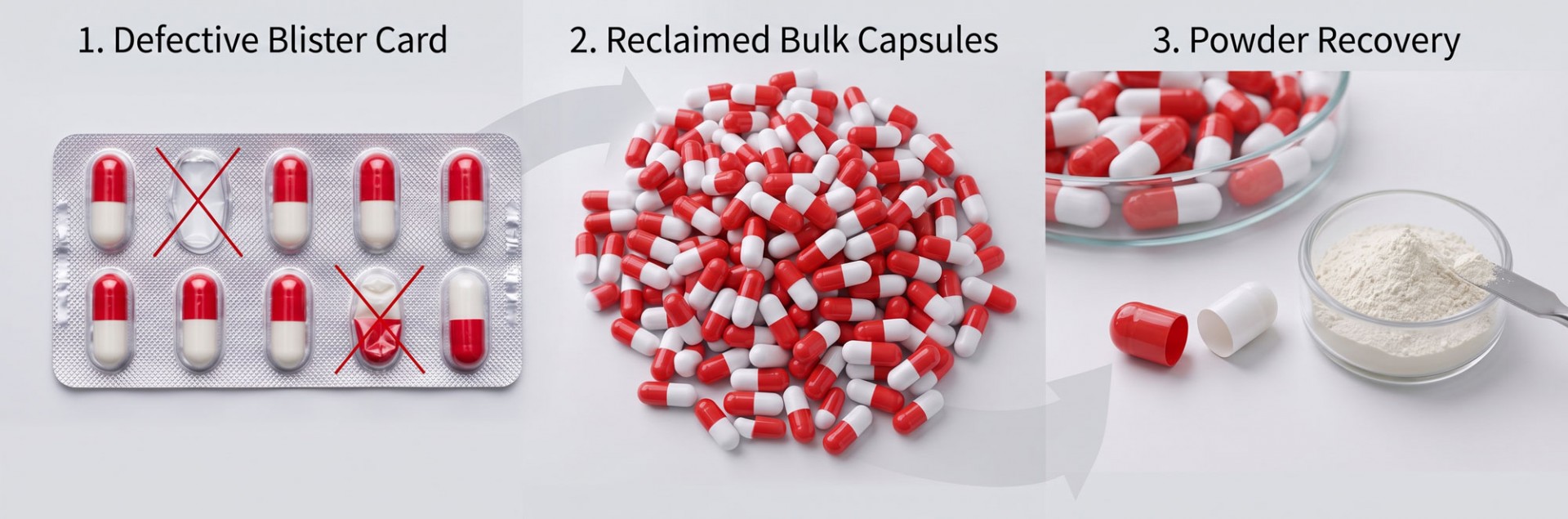
What is an Inline Pinhole Detector?
While cold-formed Alu-Alu blisters offer superior barrier protection, the intense mechanical elongation process can sometimes cause microscopic pinholes, pores, or micro-fractures in the aluminum film—defects that lead to drug oxidation but are invisible to the naked eye.
To guarantee uncompromised drug safety, installing an inline pinhole detector is critical. This system utilizes a highly sensitive far-infrared light emitter and receiver spanning the entire width of the cold-formed film. If it detects light penetrating through microscopic fractures—whether caused by improper mold design, over-stretching, or defective raw materials—the system instantly triggers a visual alarm. The machine’s control system then halts feeding into that faulty segment and automatically rejects the compromised blister card after the punching station.
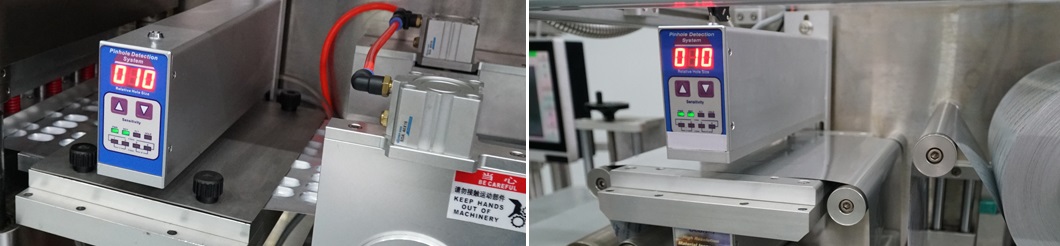
Pinhole detector for forming material and lidding material
Understanding Forming Materials (The Base Web)
Selecting the correct forming material is paramount, as it directly determines the final package’s barrier protection level.
● PVC (Polyvinyl Chloride): The traditional industry standard. It is highly cost-effective and exceptionally easy to thermoform. However, it offers relatively poor barrier properties against moisture and oxygen, making it unsuitable for highly sensitive drugs. Furthermore, its chlorine content presents growing environmental disposal concerns.
● PVDC (Polyvinylidene Chloride): Typically applied as a coating over PVC, PVDC achieves significantly higher barrier properties depending on the coating thickness. It is highly favored in pharmaceuticals for its excellent moisture resistance. However, the film is more expensive and releases harmful hydrogen chloride gas if incinerated.
● PP (Polypropylene): A modern, highly eco-friendly alternative. While offering a baseline barrier profile comparable to standard PVC, it is halogen-free and burns cleanly without releasing highly toxic, corrosive gases (such as HCl). Additionally, due to its lower density, PP yields more blisters per kilogram than PVC.
● The Mono-Material Recycling Trend (PP): The pharmaceutical industry is currently experiencing a major shift toward using PP for both the forming web and the lidding material. Traditional blister packs are notoriously difficult to recycle because the aluminum foil is heat-sealed to the PVC base and cannot be easily separated. By using PP for both structural components—the forming web and the lidding material—manufacturers create a true “mono-material” package. This eliminates the need for separation, making the entire blister pack 100% recyclable.
● The Engineering Challenge (PP): PP is extremely sensitive to thermal fluctuations, exhibiting significant deformation and high shrinkage at elevated temperatures. Processing PP requires heavily modified, precision-controlled thermoforming stations to accommodate its unique shrinkage characteristics. To mitigate these issues, modern equipment engineering focuses on two critical upgrades:
1. Low-Temperature Forming (Plug-Assist): Processing the web at the lowest feasible temperatures by relying heavily on mechanical plug-assist technology. This minimizes excessive heat input, thereby drastically reducing temperature-induced thermal distortion.
2. Rapid Active Cooling: Integrating high-efficiency cooling stations immediately downstream of both the forming and sealing zones. This rapidly dissipates residual heat, abruptly arresting any ongoing material deformation and locking in the dimensional stability of the blister cavities.
● Cold-Forming Aluminum: Provides the ultimate barrier. However, as discussed, it is prone to micro-fractures (requiring inline pinhole detectors) and demands a larger cavity footprint and dedicated feeding mechanisms, all of which significantly drive up overall production costs. Furthermore, it presents a major sustainability challenge: cold-form foil is a complex multi-material laminate (typically OPA/Alu/PVC), making layer separation and recycling notoriously difficult.
The pharmaceutical packaging landscape is continuously evolving. Driven by rapid advancements in polymer science and stricter environmental regulations, the industry will continue to see the emergence of next-generation materials. These future substrates will be engineered to deliver the ultimate balance: uncompromised barrier performance, optimal machinability, and full lifecycle sustainability, seamlessly adapting to the ever-changing demands of global pharmaceutical manufacturing.